
From all-electric living, electric vehicle (EVs) charging stations to solar battery storage, these features are no longer a nice to have. They are woven into the fabric of where and how we live.
What’s driving this change? Let’s find out.
A new era with all-electric homes
One of the biggest shifts happening right now is the move away from gas towards fully electric homes. With the rollout of Victoria’s Gas Substitution Roadmap, new homes across Victoria will transition to all-electric alternatives from January 2027.
Whether it’s heat pump hot water systems, reverse-cycle heating and cooling or induction cooking, these technologies allow households to run entirely on electricity. This opens the door to renewable energy, which helps improve air quality and reduce emissions. But the benefits don’t stop there. Households can save $1,900 per year by going all-electric and adding solar panels to the mix can increase savings to $2,230.
EV adoption starts at home
The rise of EV ownership is not only reshaping how we travel, but the communities built around it. Increasingly, new developments are being designed with EV infrastructure from the outset – making it easier for residents to transition to electric driving.
The movement to all-electric homes is gaining serious momentum across the southeast growth corridors, with EV charging embedded into shared community facilities and select display homes. Rather than being an afterthought, EV-ready homes are becoming part of the built-in infrastructure, making it easier to save money and cut emissions without sacrificing convenience.
A smarter way to use energy
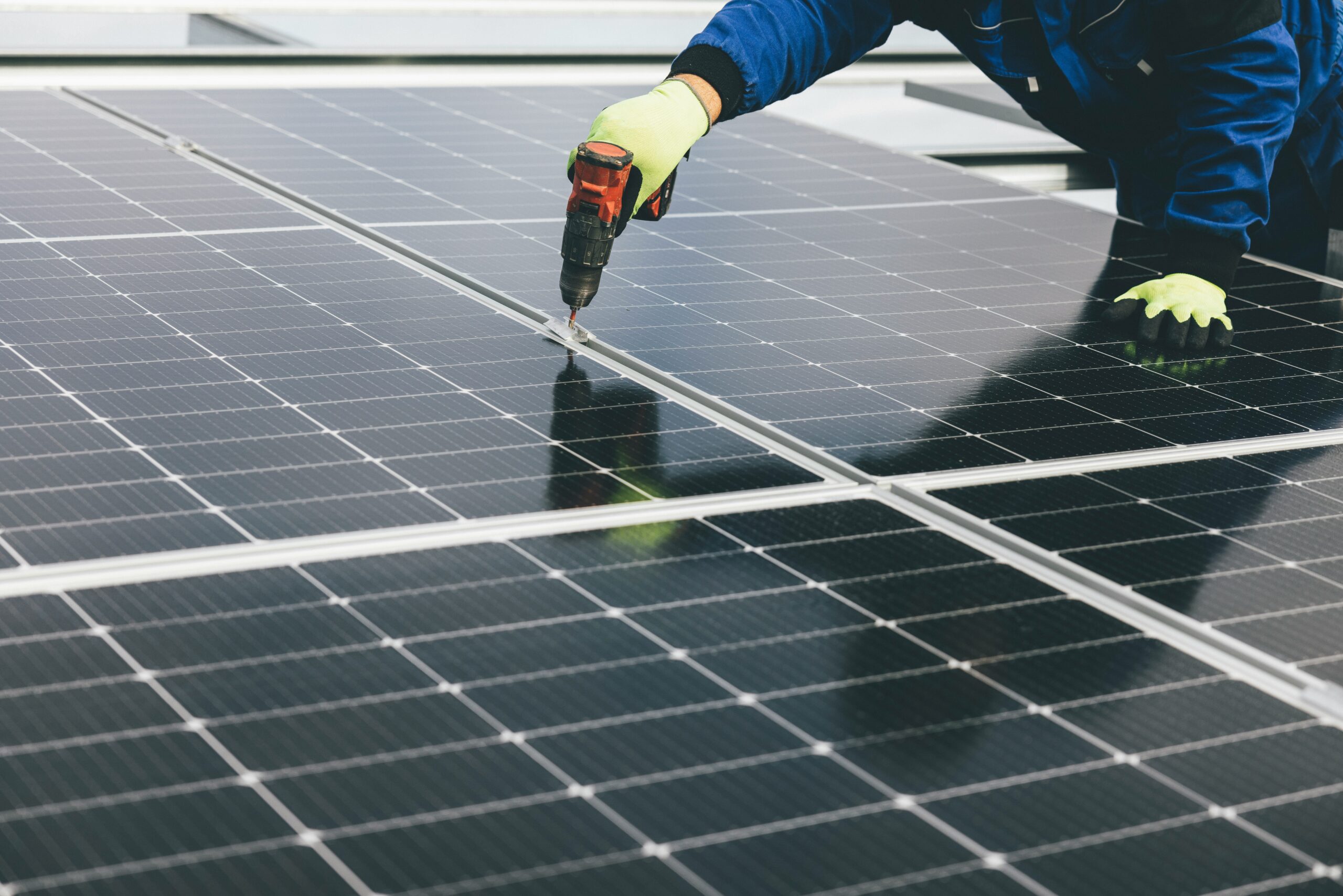
Solar panels are nothing new, but what’s changing is how they’re being integrated into homes. When paired with battery storage, it gives homeowners more control over how and when they use their energy. This shift is less about technology and more about offering better independence – allowing homeowners to minimise their rising energy costs and over–reliance on grid use by storing excess solar energy.
The numbers also support the shift to smarter energy consumption. The Clean Energy Council reported a record-breaking number of 183,245 batteries sold in Australia in the second half of 2025, which is more than the previous four years combined. With the Cheaper Home Batteries Program providing a 30% discount on battery installation across Australia, it’s never been a better time to make the switch or add a home battery to existing solar panel systems.
At Kala, we understand and embrace this shift, because we believe the communities we build today should be ready for the way people want to live tomorrow. Get in touch with the team at Kala today: https://kalaestate.com.au/contact/.